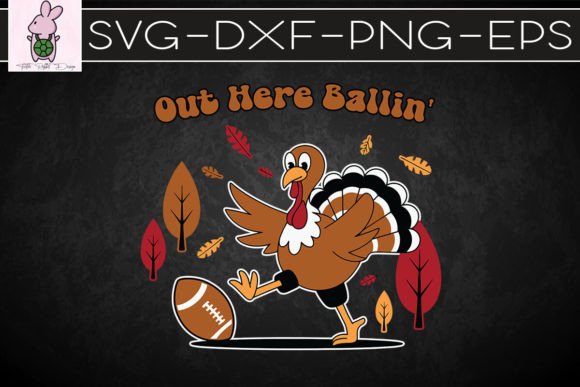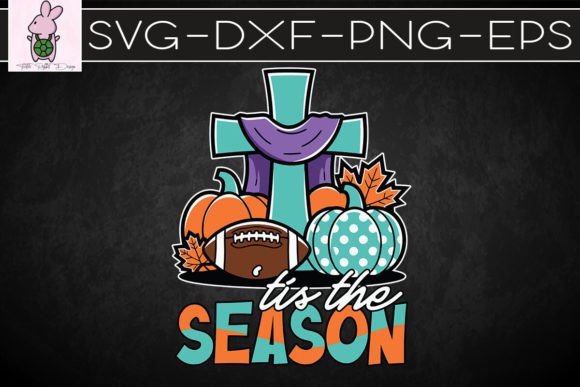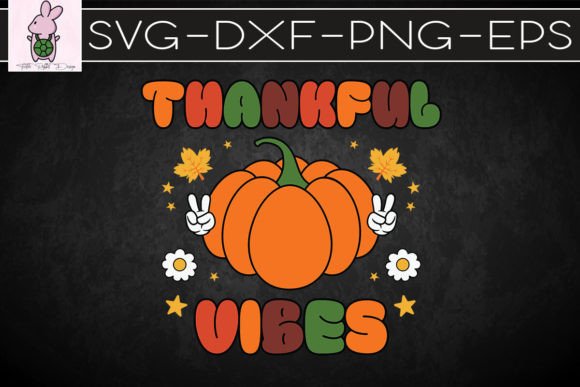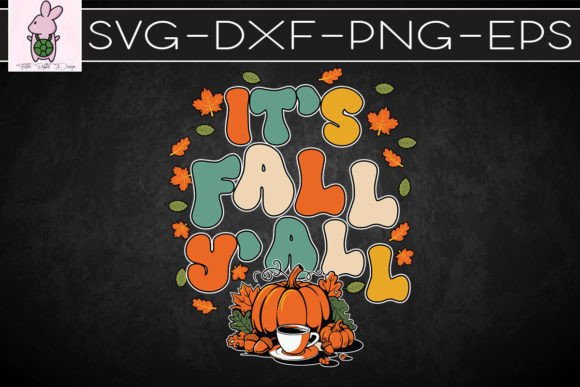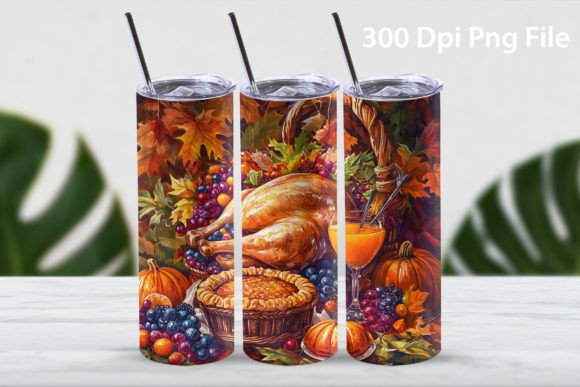
20oz Skinny Thanksgiving Tumbler Design
Let’s be real: I opened this file expecting a quick holiday wrap—something cute, maybe a little cliché, and definitely sized for a tumbler. What I got was something more versatile than the title suggests. As someone who’s stitched hundreds of seasonal designs across sweatshirts, baby onesies, tea towels, and boutique aprons, I tested the 20oz Skinny Thanksgiving Tumbler Design not just as a tumbler wrap—but as a machine embroidery design with real-world legs.
A First Stitch Tells You Everything
The moment I loaded the straight and tapered PNG files into my digitizing software, I noticed how cleanly the lines hold up—even at 3” wide. There’s no pixelation in the turkey silhouette or the “Gobble ‘Til You Wobble” script. That matters. When you’re prepping a custom embroidered tote bag for a local farmers’ market booth, or stitching a set of matching pillow covers for a client’s Thanksgiving dinner party, clarity in the source graphic directly affects stitch definition. This isn’t an overworked, overly detailed applique design. It’s balanced: enough charm to feel handmade, enough restraint to avoid dense fill stitch traps.
Where It Shines (and Where It Doesn’t)
I ran it on three very different projects: a lightweight cotton kitchen towel, a midweight French terry sweatshirt, and a structured twill cap. On the towel? Crisp. The tapered PNG adapted beautifully to the slight curve of the hemline—I used it as a border motif, not a full wrap. On the sweatshirt? Solid. The lettering stayed legible even with a light stabilizer and standard 40-weight thread. But on the cap? That’s where caution kicked in. The tapered shape works *only* if your cap front is smooth and your hoop fits snugly. Any distortion in the fabric grain—or a slightly off-center placement—made the script wobble visually. So yes, it *can* go on headwear, but only with careful hooping and a test run on scrap.
This design thrives on flat, stable surfaces: tote bag handles, apron pockets, pillow cover corners, baby onesie chests, and tea towel hems. It’s especially effective when paired with minimal surrounding embroidery—a single satin stitch border, or a small running stitch vine beside it. It does *not* hold up well on highly textured fabrics like bouclé or thick fleece without aggressive underlay—and I’d skip it entirely on stretchy knits unless you’re using cutaway + topping and reducing stitch density manually.
What Customers Actually See (Not Just What You Stitch)
Here’s what surprised me: people didn’t ask “Is that a tumbler design?” They asked, “Where did you get that sweet, cozy Thanksgiving vibe?” That tells me the 20oz Skinny Thanksgiving Tumbler Design transcends its origin. Its warmth comes from proportion—not just theme. The turkey sits low and grounded; the text arcs gently, not aggressively. That visual rhythm reads as intentional, not generic. For Etsy sellers and small shop owners, that’s gold. It elevates a simple embroidered patch or kitchen towel from “cute holiday item” to “thoughtful, cohesive gift.”
But let’s talk value. Because this lives in the Freebies category and falls under Graphics, it’s easy to assume it’s filler. It’s not. Used right, it adds instant seasonal polish to handmade product listings—especially when shown in clean printable mockups. I dropped it into a mockup of a cream linen apron and instantly had a ready-to-list Etsy thumbnail. No extra illustration needed. That kind of efficiency matters when you’re juggling five craft fair deadlines.
Practical Designer Notes You’ll Wish You Had Earlier
- Always test on scrap first—especially if you’re resizing. PNGs don’t auto-resample like vector files. Zoom in: if edges look jagged at 200%, you’ll see stair-stepping in satin stitch.
- Check thread color contrast early. On dark fabric, that light-colored script needs either white thread or a subtle tone-on-tone match—don’t assume the default digitized colors will translate.
- Review stitch density before sending to hoop. Even simple-looking graphics can pack dense fill areas. If your machine hesitates on the turkey’s feathers, reduce density by 10–15%.
- Confirm hoop size compatibility. The straight version fits comfortably in a 4x4 hoop; the tapered version may need 5x7 depending on final dimensions. Measure before committing to a batch.
- Inspect tiny details in black-and-white mockups. Sometimes script that looks friendly in color turns muddy when stitched in monochrome. I caught one tight loop in the “g” that needed slight widening.
- Use proper stabilizer for your fabric—not just your machine. Lightweight tear-away works for cotton tea towels; medium cutaway is non-negotiable for baby embroidery on knit onesies.
- Verify licensing before selling finished items. Since this is a digital embroidery file, confirm whether commercial use is permitted—especially if you plan to sell embroidered patches or pre-made apparel on Etsy or at craft fairs.
Final Thought: It’s Not Just a Tumbler Wrap
If you’re stitching for joy, gifting, or growing a craft business, the 20oz Skinny Thanksgiving Tumbler Design earns its place—not because it’s flashy, but because it’s reliable. It doesn’t shout. It settles in. It makes a sweatshirt feel like a hug, a tote bag feel like a tradition, and a baby onesie feel like a quiet, warm inside joke between parent and child. That’s the mark of good design: it serves the project, not the file name.
So yes—download it. Resize it thoughtfully. Test it honestly. Then use it where it belongs: on things people keep, wear, and pass down. Not just for Thanksgiving. But for the feeling that comes with making something that matters.