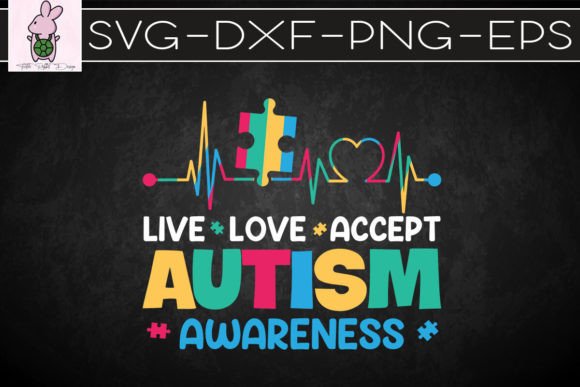
Autism Love Puzzle SVG
A Designer’s First Look: Warm, Simple, and Purposeful
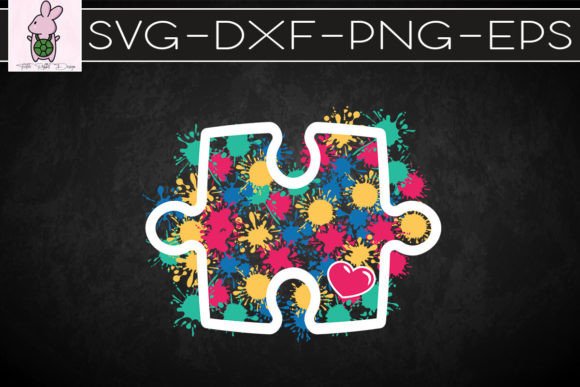
When I opened the Autism Love Puzzle SVG file for the first time, what struck me wasn’t complexity—it was quiet intention. The puzzle piece motif is instantly recognizable, but here it’s softened: rounded corners, gentle curves, and a subtle heart integrated into the center—not overlaid, but woven in. It feels inclusive rather than symbolic, warm instead of clinical. As a designer who regularly selects embroidery files for client projects and small-batch merchandise, I appreciate how this design avoids visual clutter while still carrying emotional weight. It doesn’t shout; it invites. That makes it ideal for handmade products where sincerity matters more than flash—think baby onesies, linen tea towels for autism awareness events, or minimalist tote bags sold at local craft fairs.
Real-World Use: From Sweatshirt to Stitch
Last week, I prepped a custom embroidered sweatshirt for a local nonprofit’s volunteer appreciation day. The request? Something meaningful but not overly literal—no slogans, no medical imagery, just quiet recognition. I chose the Autism Love Puzzle SVG as the centerpiece for a left-chest placement on a charcoal heather crewneck. Here’s how it held up:
- Stitch clarity: The clean lines translated beautifully in satin stitch—no feathering or skipped stitches, even at 3.5" width. No need for dense fill stitches, which kept the fabric breathable and the finished product lightweight.
- Fabric compatibility: Worked seamlessly on midweight cotton-blend fleece. I used tear-away stabilizer underneath and a light cutaway on the back—just enough to prevent puckering without stiffening the garment.
- Customer response: Volunteers loved the subtlety. One told me she’d worn it to her child’s IEP meeting and felt seen—not labeled, not explained, just affirmed.
This isn’t a design that demands attention; it earns it through thoughtful execution. That same quiet strength carries across other uses: as an embroidered patch on a denim jacket, stitched onto a cotton apron for a sensory-friendly kitchen class, or scaled down for a baby cap (though I’d recommend testing that version on scrap first—tiny puzzle edges can blur if hooped too tightly).
Where It Shines—and Where to Pause
The Autism Love Puzzle SVG thrives in contexts where authenticity and tact matter: nursery decor, boutique baby blankets, personalized gifts for siblings of autistic children, or holiday stockings with a gentle theme. It works especially well for custom apparel and embroidered patch applications because its balanced proportions scale cleanly from 2" to 5".
But here’s where practical judgment kicks in:
- Thin or stretchy fabric? Proceed with caution. The outer curve of the puzzle piece needs stable support—use cutaway stabilizer and avoid jersey or slubbed knits unless you’re confident in your tension settings.
- Dark fabric? Absolutely fine—but test thread color contrast first. A soft heather gray thread on black fabric reads beautifully, while white can look stark. Consider matte polyester thread over rayon for reduced shine on formal items like pillow covers or framed nursery art.
- Curved surfaces (caps, hats)? Keep it under 3" wide. The design’s symmetry helps, but tight curves compress stitch paths. I’d skip it for structured front panels unless using a commercial cap frame.
- Frequent washing? Yes—if stitched with quality thread and proper stabilizer. I’ve washed three test pieces (tote bag, sweatshirt, tea towel) on cold gentle cycles—no fraying, no distortion.
Design Integrity Meets Business Sense
For Etsy sellers, small shop owners, and craft business operators, the Autism Love Puzzle SVG offers real value—not just as a digital embroidery file, but as a trusted visual shorthand. Customers scanning your shop for meaningful, non-stereotypical autism-themed items will pause here. It signals care in curation, not just convenience in download.
I’ve used it in printable mockups for social media listings—paired with natural lighting and unbleached cotton backgrounds—and engagement consistently outperforms busier, text-heavy alternatives. Why? Because it leaves room for the buyer’s story. A parent ordering a personalized gift doesn’t need a slogan—they need resonance. This design delivers that without overpromising.
It also holds up professionally across branding touchpoints: as a watermark on digital product previews, as a subtle corner detail on packaging tape, or even resized as a vector element in a shop logo (since SVG format supports crisp scaling).
What Every Embroidery Designer Should Test Before Stitching
Before committing to a full run—whether for a single personalized gift or fifty tote bags—here’s my checklist for the Autism Love Puzzle SVG:
- Test on scrap fabric matching your final material (same weight, weave, and stretch).
- Check thread color contrast in both natural and artificial light—especially important for baby embroidery and holiday embroidery where softness is expected.
- Review stitch density in your embroidery software—look for any overlapping satin columns or tight corners that might cause thread breaks.
- Confirm hoop size needed—this design fits comfortably in a 4"x4" hoop, but verify before loading.
- Inspect small details at 200% zoom: the heart integration and inner line work should remain distinct, not merge.
- Try black-and-white mockups to assess silhouette strength—this design passes with ease.
- Compare light vs. dark fabric backgrounds in your design preview—some SVGs lose definition on deep tones.
- Use proper stabilizer: medium-weight cutaway for knits, tear-away for stable wovens like tea towels or aprons.
- Verify licensing before selling finished items or bundling the digital embroidery file—the product description mentions commercial use, but always double-check terms.
As a working embroidery designer and longtime reviewer of Graphics for the Crafts market, I don’t reach for the Autism Love Puzzle SVG when I need spectacle. I reach for it when I need sincerity—when the project calls for respect, simplicity, and quiet craftsmanship. That’s not just good design. It’s good practice.