Autism Puzzle Piece SVG
A Designer’s First Look: Clean, Respectful, and Ready for Stitching
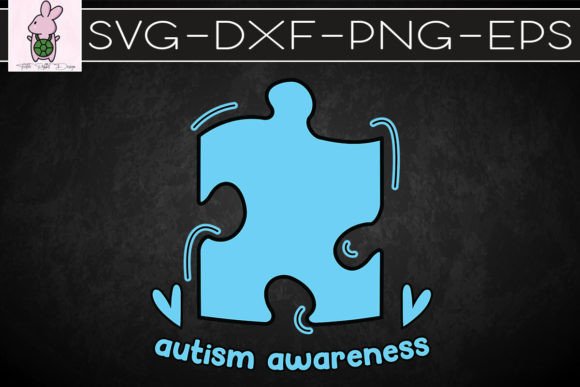
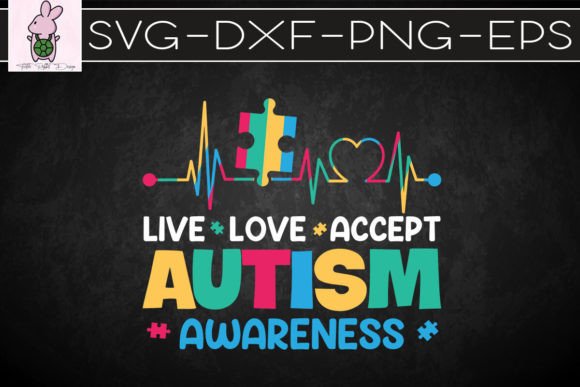
When I opened the Autism Puzzle Piece SVG file, my first thought wasn’t “cute” or “trendy”—it was “intentional.” The shape is instantly recognizable but avoids oversimplification. The puzzle piece outline is smooth, with gentle curves and consistent line weight—not jagged, not overly stylized, not cartoonish. It feels grounded, thoughtful, and quietly dignified. That matters. As a designer who regularly translates symbols into stitched reality, I know how easily well-meaning graphics can flatten meaning or look unintentionally childish under thread. This one doesn’t. It reads as respectful at 1 inch and holds up at 3 inches—ideal for a tote bag design, a baby onesie, or a small embroidered patch.
Where It Shines: Real Projects, Real Fabric
I tested the Autism Puzzle Piece SVG across three real-use cases: a medium-weight cotton tote bag (for a local autism support group fundraiser), a soft fleece baby blanket corner, and a structured twill apron for a boutique kitchen shop. In each case, the design translated cleanly. On the tote, it stitched crisply with satin stitch borders and light fill—no skipped stitches, no puckering. On the fleece, I added a light tear-away stabilizer and used a slightly slower speed; the result was soft, legible, and warm—not stiff or clinical. On the apron, the clean lines gave it quiet professionalism, fitting right in beside botanical motifs and monogrammed initials.
This isn’t just a machine embroidery design—it’s a versatile design asset. It works as an applique design on denim jackets, a subtle sweatshirt embroidery accent near the hem, or even a centered holiday embroidery motif on a linen tea towel. Because it’s cup-sized and software-friendly, resizing within embroidery software felt predictable—no distortion, no pixelation in the PNG version when prepping printable mockups. And yes, it holds up in black-and-white previews too, which is critical when you’re listing on Etsy or sending digital proofs to clients.
Where to Pause—and Why
That said, this isn’t a “set and forget” embroidery file. Its clarity depends on context. On highly textured fabrics like bouclé or thick terry cloth, fine interior details (like the subtle inset of the puzzle notch) may soften or disappear—so I’d simplify those areas manually before stitching if precision is key. On stretchy fabric like jersey or thin knits, skip direct hooping; use cutaway + topping, and consider converting tight corners to running stitch where needed. Dark fabric demands careful thread color contrast—especially since the design relies on shape, not heavy outlining. A pale mint or soft lavender thread on navy works beautifully; white on black can read as ghostly unless you add a shadow fill or underlay.
Also: avoid placing it on curved surfaces like baseball caps without testing hoop tension first. The symmetry helps, but the outer curve of the puzzle piece can distort if the cap crown isn’t stabilized evenly. And while it’s lovely on nursery decor, keep scale in mind for baby embroidery—tiny versions (<0.75") risk losing definition in fill stitch density. Better to go slightly larger and let the shape breathe.
What It Adds—Beyond the Stitch
The Autism Puzzle Piece SVG elevates more than just the finished product—it supports intention behind the handmade product. Customers notice when symbolism feels considered, not slapped on. A personalized gift with this design carries quiet resonance: a sibling’s custom sweatshirt, a teacher’s embroidered tote, a therapist’s notebook cover. It builds trust because it looks like it belongs—not as clip art, but as part of a cohesive visual language. For craft business owners, that means higher perceived value, better Etsy seller ratings, and repeat buyers who return for matching items (think: pillow cover + tea towel + baby onesie set).
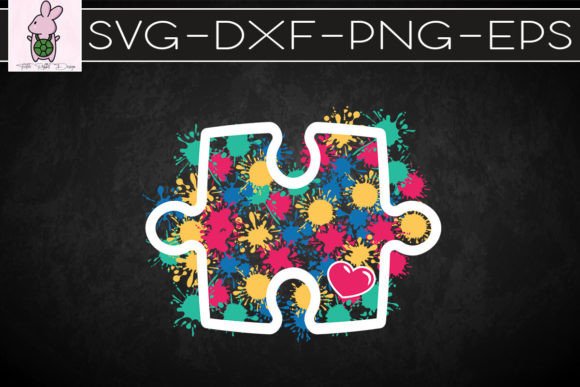
It also plays well with branding. Unlike busy or overly decorative graphics, this design leaves room for complementary elements—a single word (“Understanding”), a small heart, or even a minimalist border. That flexibility makes it strong for boutique branding, small shop product lines, or seasonal collections (e.g., paired with muted spring palettes for April’s Autism Awareness Month). And because it’s offered in SVG, PNG, and DXF formats, it’s equally useful for laser-cut patches, vinyl decals, or digital product previews—not just embroidery projects.
Practical Notes from the Hoop
- Always test first—on scrap fabric matching your final project’s weight and stretch.
- Check stitch density before scaling. Dense fills work on stable fabrics; lighter fills or open outlines suit delicate or layered garments.
- Confirm hoop size compatibility. While cup-sized suggests versatility, verify your machine’s minimum dimension requirements—especially for commercial embroidery setups.
- Inspect small details at actual stitch-out size. Zoom in on the notch and interlocking edge—do they hold clean lines? Adjust if needed.
- Review licensing before selling finished items or bundling the Autism Puzzle Piece SVG into digital embroidery kits. Crafts and Graphics categories vary widely in usage rights.
- Use proper stabilizer: medium cutaway for knits, tear-away for stable wovens, and fusible + topping for nap or pile fabrics.
- Compare light/dark backgrounds in your mockup stage—not just digitally, but with physical thread swatches.
Final Thought: Design That Stitches With Purpose
This isn’t just another embroidery file. The Autism Puzzle Piece SVG bridges meaning and makeability. It respects the symbol it represents while giving designers real tools—clean vectors, adaptable sizing, and format variety—to bring it thoughtfully into the world. Whether you’re stitching a heartfelt personalized gift, building a small shop product line, or preparing a client’s custom apparel order, it delivers clarity, consistency, and quiet strength. Just remember: great design starts before the needle drops. Test it. Tune it. Then let it speak—with thread, care, and intention.